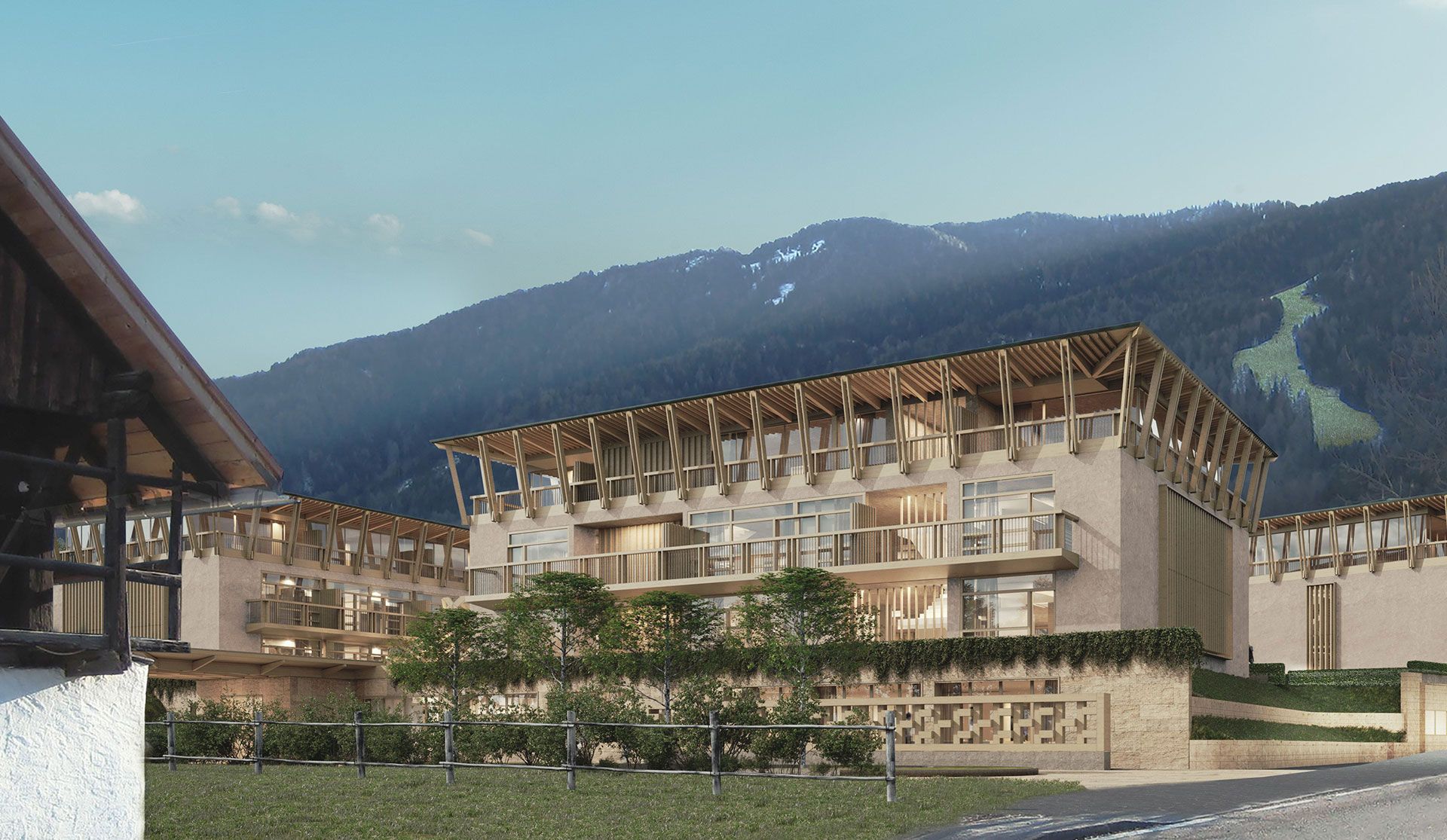
Matteo Thun's Hotel Bella Vista Trafoi above the village of Trafoi in Stelvio National Park at the foot of the Ortler

Matteo Thun: Memphis to South Tyrol Hotels, 1981-2026

Matteo Thun has spent forty-five years drawing the same line, from the Memphis showroom on Via Solari in Milan in September 1981 to a 24-suite addition to Hotel Bella Vista Trafoi opening in May 2026 at the foot of the Ortler in South Tyrol. Born 17 June 1952 in Bolzano, Thun is one of the very few figures who co-authored the most cited Italian postmodern moment of the 1980s, ran a Vienna ceramics professorship through the 1990s, art-directed Swatch for three years, and then quietly converted the whole CV into a hospitality practice that now operates 70-strong across Matteo Thun & Partners in Milan and Munich. The Trafoi opening, in his birth province, is the closing argument. ...
June 15, 2026 · 16 min · 3285 words · FORMA Editorial
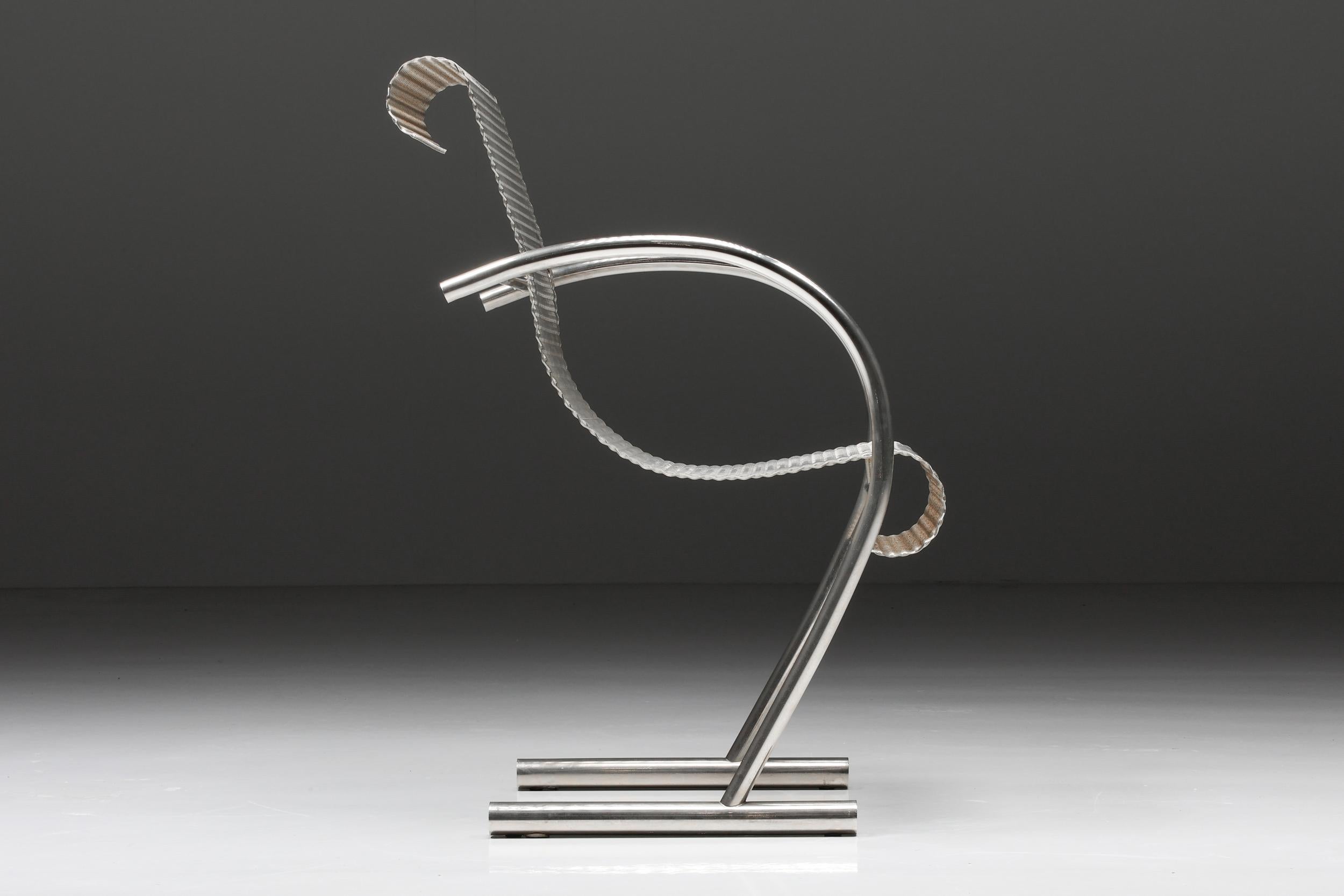
Shiro Kuramata's How High the Moon nickel-plated steel mesh armchair, produced by Vitra from 1986

Shiro Kuramata: Memphis, Cappellini, Vitra

Shiro Kuramata spent the last fifteen years of his life dematerialising furniture into industrial gauze: nickel-plated expanded steel mesh for Vitra’s How High the Moon in 1986, clear acrylic resin embedded with artificial red roses for Miss Blanche in 1988, and glass plates bonded with UV-curing photosensitive adhesive for the 1976 Glass Chair. The career from the Kuramata Design Office in Tokyo in 1965 through his death on 1 February 1991 reads as a single, sustained argument: that an object’s job is to disappear and let its weight go with it. Ettore Sottsass’s Memphis Milano invitation in 1981 supplied the international stage, but the work was already complete in its grammar. ...

June 15, 2026 · 15 min · 3000 words · FORMA Editorial
Andrea Branzi, Ettore Sottsass and Alessandro Mendini in Italian Radical Design timeline 1966–1995.

Italian Radical Design: 1966–1995 Lineage

Italian radical design begins in Pistoia in December 1966, when Archizoom Associati and Superstudio mount Superarchitettura in two rooms of a provincial gallery and publish a founding statement against the modernist project. The movement runs for roughly thirty years from that exhibition to the opening of the Groninger Museum in 1994, passes through three distinct organisational forms — the Florentine collectives of 1966–1974, the Milanese teaching networks of Global Tools and Studio Alchimia in 1973–1980, and Memphis Milano in 1980–1988 — and is carried throughout by three protagonists whose careers overlap and intersect: Andrea Branzi, Ettore Sottsass, and Alessandro Mendini. The shape of the answer is a lineage, not a school. There is no single manifesto and no single object. There is a chain of groups, magazines, exhibitions and pieces of furniture in which each generation re-stages the argument of the previous one with different materials, different cities and different enemies. ...

May 25, 2026 · 14 min · 2872 words · FORMA Editorial

Stay in the loop

New posts, occasionally. No spam.